
If you’re wanting to grow your own food throughout the year, there will no doubt become a time when you need to investigation aphid control in the garden.
About Aphids and their Damage

Aphids are most active in Spring and Autumn. There are many species and colours, and they attack just about every type of plant, sucking on the plant juices and often transmitting disease in the process. This is why aphids are not a gardeners friend!
After drawing out the juice from a plant, aphids excrete it as honeydew. This honeydew is a prime substrate for sooty mould to grow, which inhibits photosynthesis and discolours affected fruits and plants. Honeydew is also a food source for ants, and is why it’s said that ants “farm” aphids. They have been known to actively transport aphids between plants to generate honeydew.
Most often you will find infestations of aphid on the underside of leaves or in hidden places, so it may not be immediately obvious. However, plants can start to appear stressed and yellowing, in some cases leaves will roll up or fall off entirely.
Controlling Aphids
General Garden Housekeeping
Aphid infestations can be prevented by removing host weeds and neglected or stressed plants for the area. Keeping your crops well watered, fertilised and healthy will help them withstand infestation.
If aphids have started to appear on your crops they can be removed through hosing them off. Or if you’re up for it squashing them manually or spraying with organic sprays.
Beneficial Insects for Aphid Control
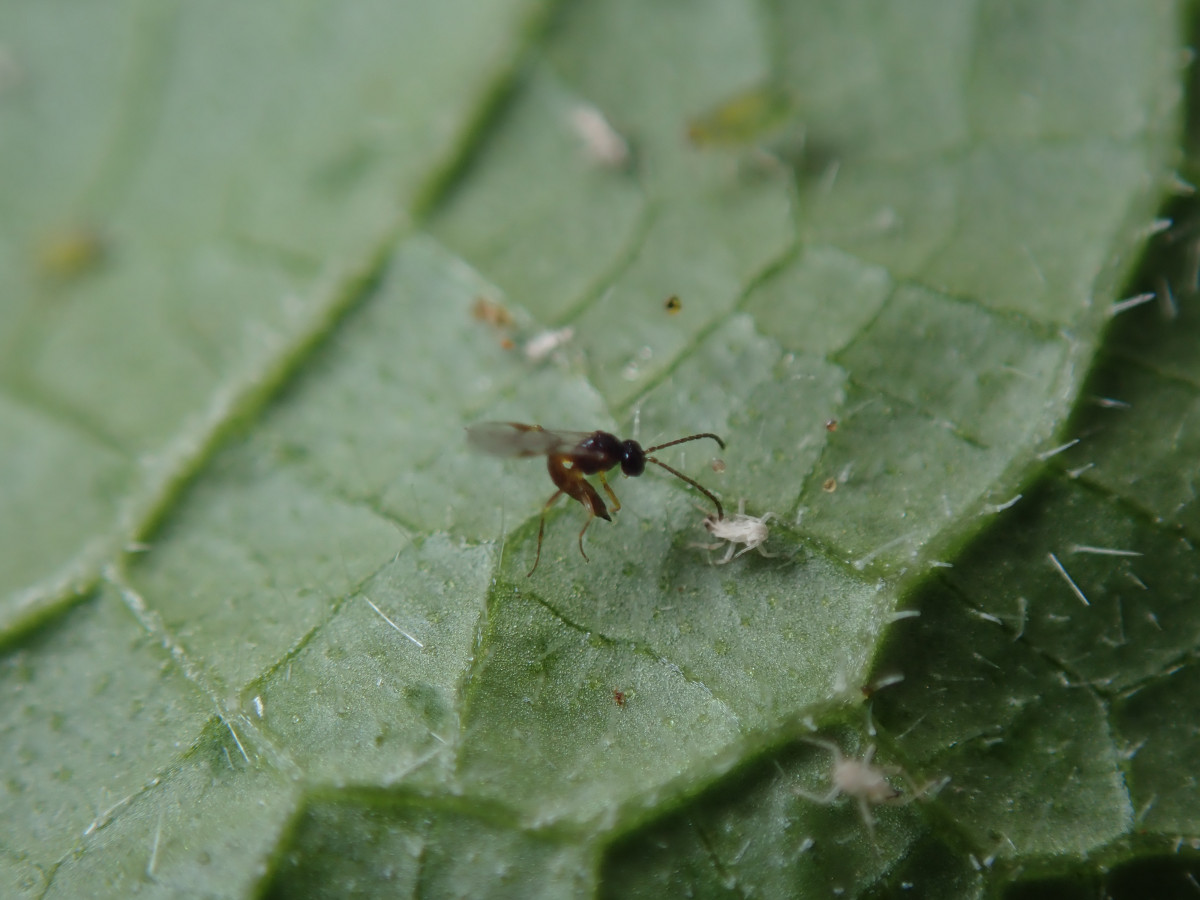
Encouraging beneficial insects which attack aphids, such as ladybirds, hoverflies, parasitic wasps and lacewings, helps to control general aphid populations. This is my preferred method of control as it seeks to bring balance into the garden ecosystem, without the use of pesticides and other broad spectrum nasties.
I was very excited to discover a NZ local company Bioforce produces these beneficial organisms for the home gardener. I highly recommend looking into their beneficial insect options for aphid control this Autumn. I’ll be placing my order shortly too! The beauty of this is a very hands-off approach to pest management, no accidental decimation of your pollinator or beneficial insect population and generally healthy crops!
Trap Crops for Aphid Control
Aphids are especially attracted to mustard, sunflowers and nasturtium. Plant these near your garden as traps for the aphids, concentrating any population in one spot so they’re easy to deal with. However, don’t plant them too close to your glorious vegetables as aphids (and their ant friends) can travel. Check these trap plants regularly to keep aphid populations from jumping to your vege garden.
Aphid Spray
Water with a few drops of dish soap sprayed onto aphids can suffocate, and horticultural oil can smother these insects too. If you are using this type of spray be sure it’s used on a cool day. These sprays, coupled with hot temperatures, can cause plant leaves to burn in the sun.
